Foundry · Construction · Ceramics
Processed Bentonite
Milled bentonite chosen for swelling, gelling, and a bond that holds from lot to lot.

The grade
Processed bentonite is the swelling clay a plant reorders when the last lot has to behave like the next one. Foundries use it to bond silica sand. Civil and drilling work use it so a borehole or a slurry holds. Ceramic plants use a small addition so a body or a glaze stays in suspension. Paint lines use it when the coating has to keep its body.
That is a different purchase from kaolin or from a fire clay. Those clays are chosen for whiteness or for alumina. Bentonite is chosen because it swells and gels. A sodium grade, or a calcium clay activated toward that behaviour, is the usual export powder. The two are not interchangeable just because both are called bentonite.
Skylark Exports supplies the processed powder: dried, milled, and specified against the mesh and the swelling your line already runs. The 24 ml/2g swelling note is a typical floor for a sodium grade, not a certificate of analysis and not a promise that every inquiry is that grade. Name the use, the mesh, and whether you need sodium or calcium behaviour, and compare the current sheet before a production trial.
What buyers check
- Swelling and gel strength held so a mud, a bond, or a suspension repeats
- Milled to the mesh the plant already runs
- Dried and ground, so the bag is a powder and not a raw pit clay
- Moisture low enough that the grade stays workable in store
Applications
- Foundry
Foundries buy graded silica for moulds and cores, processed bentonite to bond that sand, and refractory clay where the hot face has to hold.
- Construction
Construction uses graded silica sand where grain size and cleanliness matter, and processed bentonite where a borehole or a seal has to hold.
- Ceramics and tile
Tile, sanitaryware, and tableware plants use clay, feldspar, silica, and quartz so the body stays plastic and the fire stays predictable.
- Paints and coatings
Coatings use ground quartz, kaolin, and calcined kaolin for mesh, brightness, and opacity, and processed bentonite when the paint has to hold its body.
Packing
- 25 kg bags, typical export packing, still to confirm
- 50 kg bags, typical export packing, still to confirm
- 1 MT jumbo bags, typical export packing, still to confirm
Questions buyers ask
What is processed bentonite?
It is bentonite that has been dried and milled, and often sodium-activated, so the powder swells and gels in a repeatable way. You are buying that processed behaviour, not a claim that every pit clay will do the same job straight from the ground.
Is this a sodium grade or a calcium grade?
Export powder for drilling mud, foundry bond, and most suspensions is typically a sodium grade, or a calcium clay that has been activated toward sodium behaviour. Say which one your process was qualified on. This page does not treat the two as the same lot.
How is this different from kaolin?
Kaolin is chosen for whiteness and, in a body, plasticity without much swell. Processed bentonite is chosen because it swells, gels, and bonds. A coating line that needs shade should not substitute bentonite for china clay, and a foundry that needs a sand bond should not substitute kaolin for bentonite.
How is processed bentonite packed?
Typical export packing is 25 kg bags, 50 kg bags, or 1 MT jumbo bags. The packing Skylark offers is still to be confirmed. Name packing, quantity, mesh, and destination port when you ask for a quote.
Related minerals
- Grade
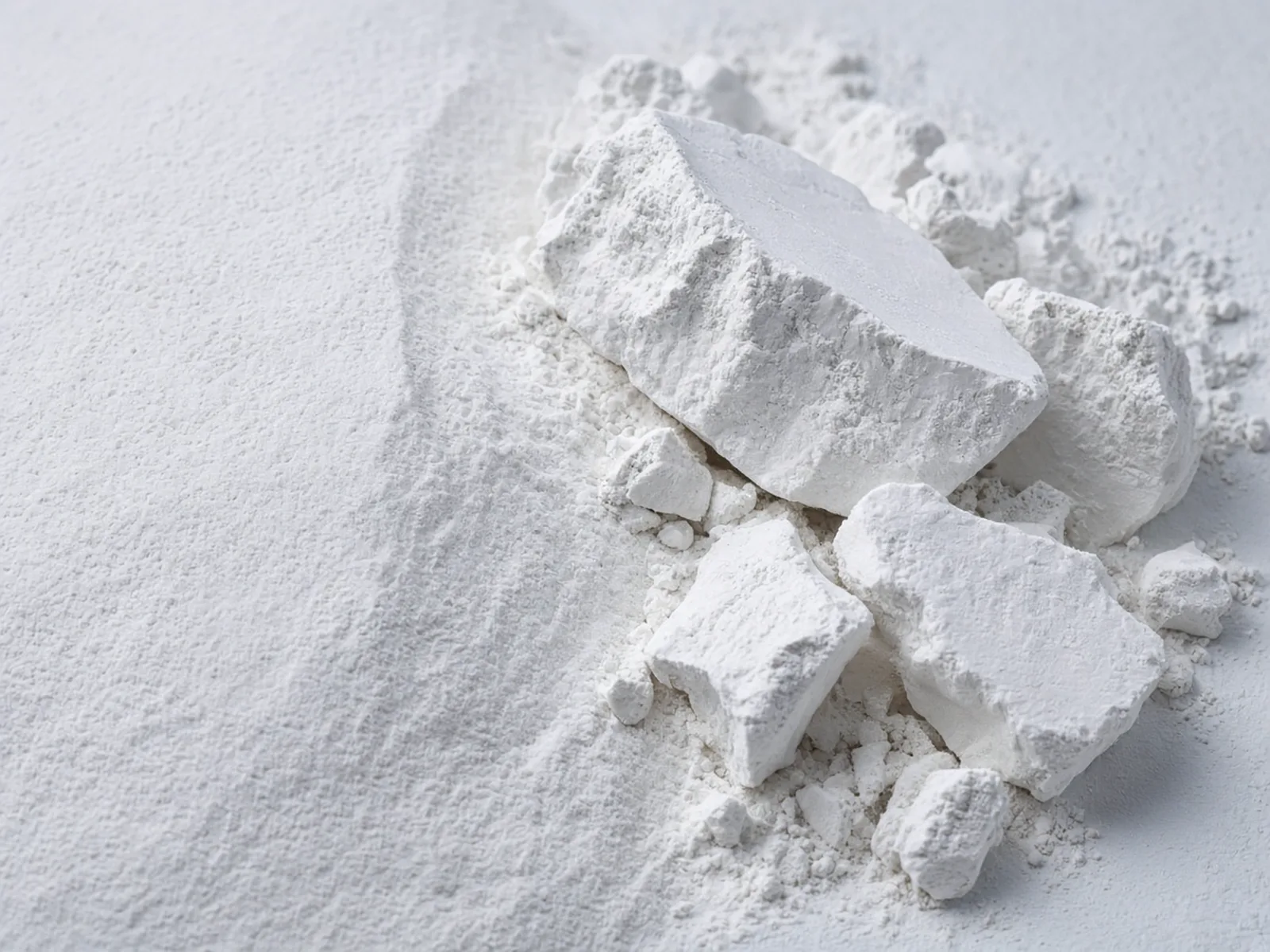
- Whiteness: High, typical of a coating or ceramic china clay
- Purity
- Fe2O3: Low, typical of washed china clay
- Packaging
- 25 kg bags, 50 kg bags, 1 MT jumbo bags
Al2Si2O5(OH)4Ceramics · Paper · Paint
Kaolin Clay
China clay selected for whiteness, plasticity, and low impurities in bodies and coatings.
- Grade
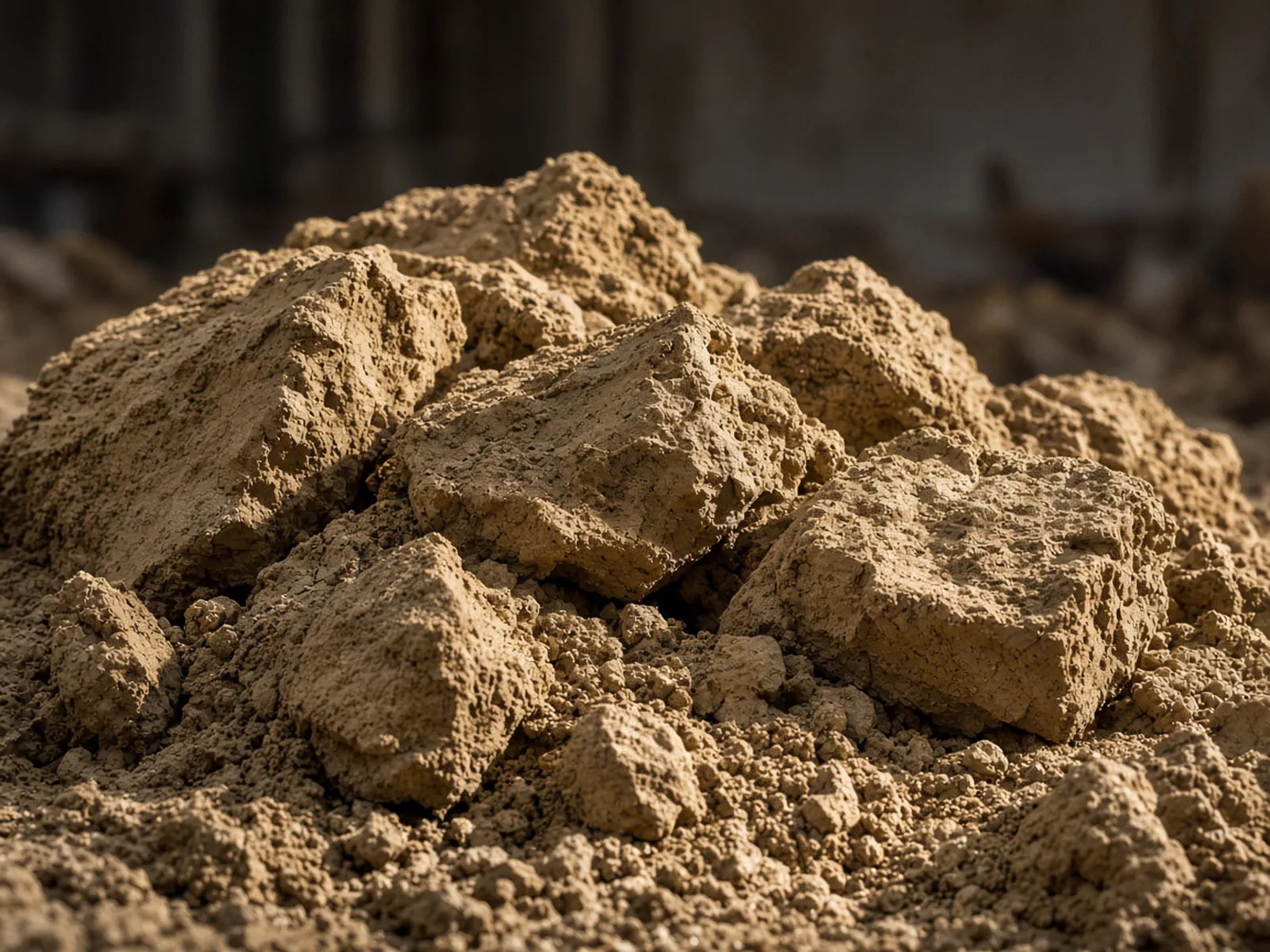
- Refractoriness: Holds shape at the buyer’s service temperature
- Purity
- Al2O3: 25–40% typical
- Packaging
- 25 kg bags, 50 kg bags, 1 MT jumbo bags
Refractories · Kiln furniture · Foundry
Refractory Clay
Fire clay with the alumina level and thermal stability to hold shape at high temperature.


